Texas Agricultural Valuation Rules by County (Dallas–Fort Worth)
30 counties in and around Dallas–Fort Worth · figures checked November 15, 2026
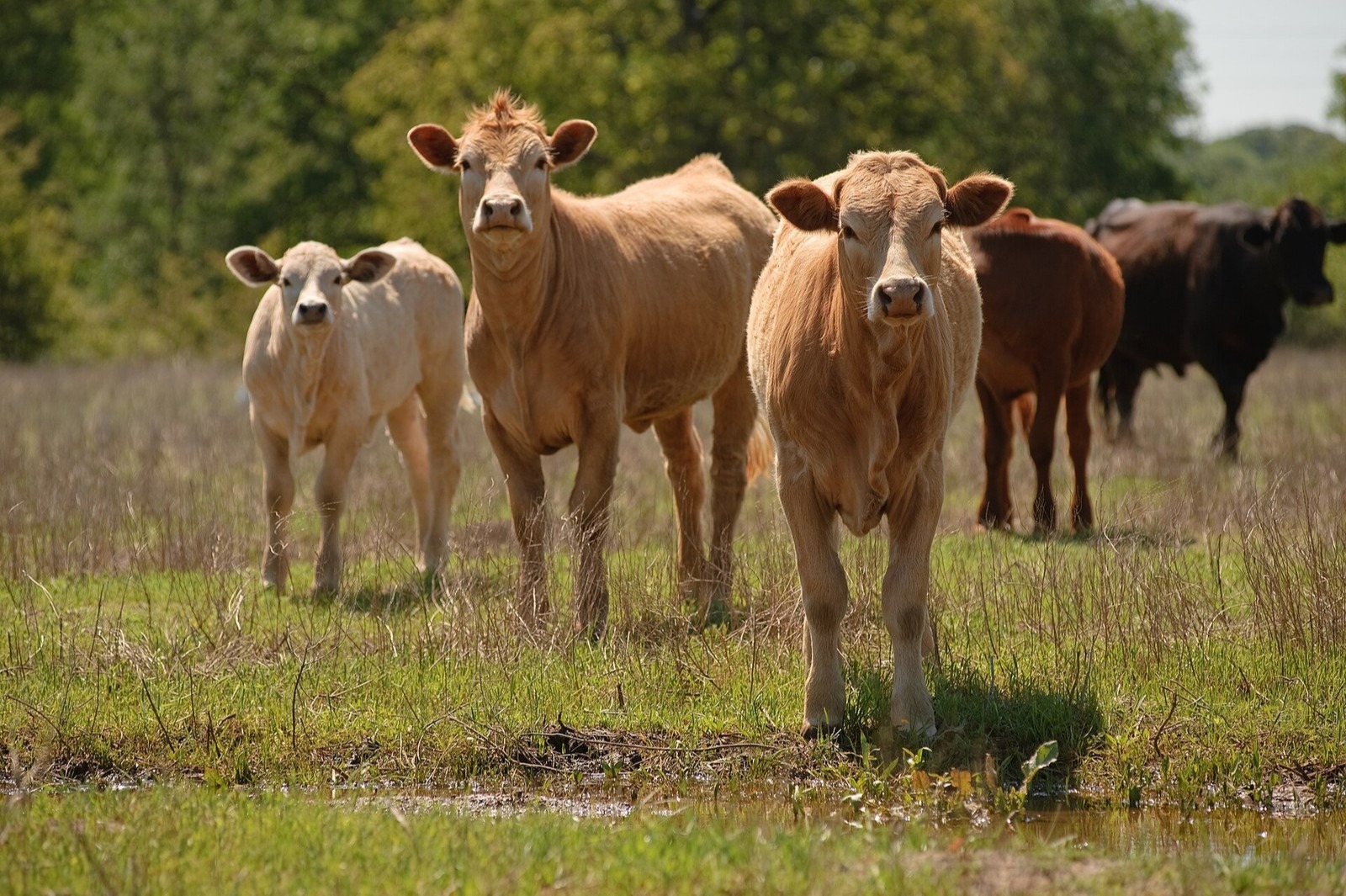
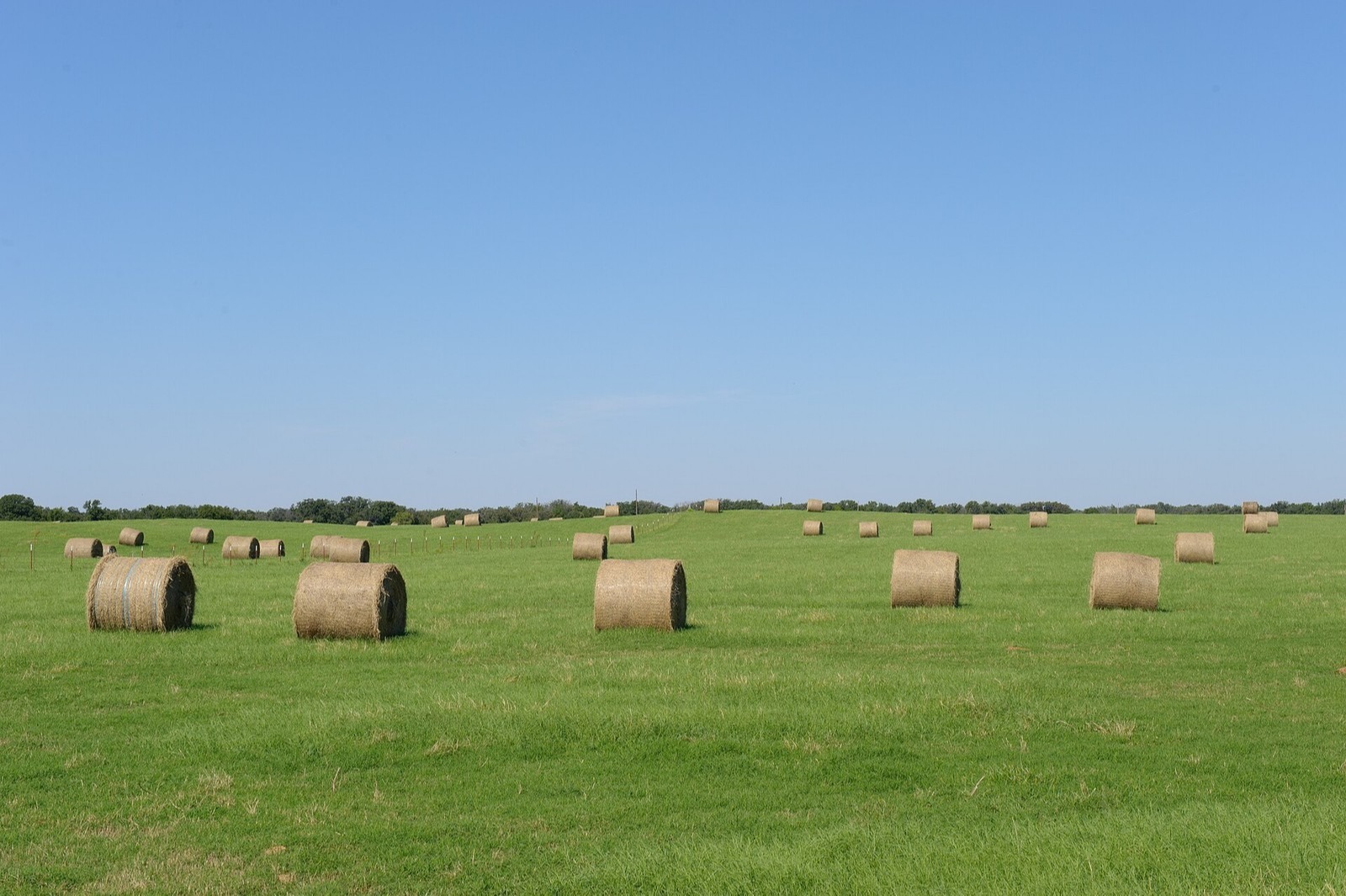
In everyday conversation this is an agricultural exemption, or an “ag exemption.” In the tax code it is a special valuation — 1-d-1 open-space (agricultural) valuation: qualified land is taxed on what it can earn from farming or ranching, not on its market value.
There is no statewide minimum acreage for that special valuation, except for beekeeping, which state law limits to 5 to 20 acres. Each county appraisal district sets its own degree of intensity. Wildlife acre minimums generally apply only when a tract is cut out of a larger one, or when it is in a wildlife association.
If you’re interested in finding out about the county you’re in, or a county you’re thinking of buying in, read the county sections below. Each county name links to that county appraisal district’s official agricultural guideline — or to the district’s forms or information page when a guideline is not posted, or to an Internet Archive copy of a guideline the district posted earlier (marked “archived copy”).
The figures for cows on 10 acres or 30 acres are our math from the published stocking rate. They are not numbers the appraisal district publishes.
Key terms in plain English
Improved pasture vs. native pasture
Improved pasture (planted grass): land planted — seeded or sprigged — to introduced grasses such as Coastal Bermuda, Klein grass, or Bahia grass. It is usually fertilized and kept free of weeds, and it is often cut for hay as well as grazed.
Native pasture (natural grass, sometimes called rangeland): land left in the grasses that grow there naturally, such as little bluestem, Indiangrass, switchgrass, and sideoats grama, with no planting or fertilizing. It is managed mainly by not putting more animals on it than the grass can feed, plus weed and brush control, fences, and stock water.
Why it matters: planted, fertilized grass grows more feed per acre, so districts list fewer acres per animal unit for improved pasture. That is why most counties in this guide show two numbers.
Example: Collin County lists 3 to 5 acres per animal unit on improved pasture and 4 to 6 acres on native pasture. On a 20-acre tract, that works out to about 4 to 6 cows on improved pasture, or about 3 to 5 cows on native pasture (our math, rounded down).
What the sources say:
- “In this area Coastal Bermuda is the primary grass for this category. Coastal Bermuda is used for both livestock grazing and hay production.” (improved pasture) · “Native pastures are uncultivated lands occupied wholly or mainly by native or naturally introduced plants useful for grazing.” — Tarrant Appraisal District, Degree of Intensity Test
- Improved pasture: “Typically coastal bermuda grass, often fertilized, weed controlled and seeded.” · Native pasture: “Native grasses allowed to self regenerate, no seeding/fertilizing.” — Denton County Appraisal District intensity chart (January 31, 2025)
- Improved pasture: grasses such as “Kline, Bermuda, Johnson Grass, Crabgrass, Fescue, Dallisgrass, Bahia Grass … that are seeded or sprigged and that is baled and/or grazed by domestic livestock.” · Native pasture: “natural grasses growing on the land with no enhancements,” such as “Little Bluestem, Switchgrass, Indian Grass, Big Bluestems, Sideoats Gama.” — Grayson County Appraisal District Guidelines version 4 (April 8, 2025)
- “The Tax Code lists six typical classes of land: irrigated cropland, dry cropland, improved pasture, native pasture, orchard and waste.” Its worked example adds: “The most important grasses are Coastal Bermuda Grass and Klein Grass.” — Texas Comptroller, Manual for the Appraisal of Agricultural Land (publication 96-300, October 2024), page 24 and Appendix C
- “Ag exemption” (1-d-1 open-space valuation) — Not a true exemption. The land is taxed on what it earns from farming or ranching instead of its market value. Example: a 20-acre hay field near new subdivisions is taxed as a hay field, not as future home sites.
- County appraisal district — The local office that values property and approves agricultural valuation. Example: land near Sanger is in Denton County, so Denton’s district and rules apply.
- Degree of intensity — Farming or ranching at the level that is normal in your county, not token use. Example: Tarrant expects at least 4 animal units on 8 acres of improved pasture, so 2 cows there would fall short.
- Animal unit — One mature cow (about 1,000 pounds), with or without her calf. Example: at Rockwall’s 5 acres per animal unit on improved pasture, a 20-acre Bermuda grass field would need about 4 cows.
- Stocking rate — How many acres it takes to feed one animal unit. Example: Denton lists 6 acres of improved pasture per cow, so 30 acres carries about 5 cows.
- History requirement — The land generally must have been farmed or ranched 5 of the preceding 7 years. Example: land grazed every year from 2021 through 2025 meets the test for a 2026 application.
- Form 50-129 — The state application, filed with the county appraisal district after January 1 and before May 1. Example: for the 2027 tax year, file by April 30, 2027.
- Rollback tax — Change the land to a non-farm use and you owe back the tax savings for the 3 prior years, with no interest unless you pay late. Selling alone does not trigger it. Example: a change of use in 2027 brings a bill for 2024, 2025, and 2026.
- Beekeeping — Counts only on 5 to 20 acres under state law; many districts start at 6 hives on 5 acres. Example: in Collin, 10 acres needs 8 hives.
- Hay and cuttings — A cutting is one mowing and baling of a hay field. Example: Somervell lists a 10-acre hay minimum with 2 cuttings a year.
- Orchard and producing trees — Fruit or nut trees grown for sale, counted per acre; “producing” means old enough to bear a crop. Example: at Hunt’s 25 pecan trees per acre, a 3-acre orchard needs about 75 trees.
- Wildlife management use — Land already in agricultural valuation can switch to managing native wildlife under a written plan, doing at least 3 of 7 listed activities a year. Example: water troughs, supplemental feed, and a yearly wildlife count cover three.
- Wildlife minimum and wildlife association — Acre floors for a wildlife tract cut out of a larger one; neighbors in a wildlife association get a lower floor. Example: Collin lists 16.7 acres alone, or 11.1 acres in an association.
- Timber — A separate special valuation for land growing trees for sale; rare in North Texas. Example: Navarro’s guideline says marketable timber is typically on tracts of at least 20 acres.
Each term links to a fuller definition in the glossary at the end of this page.
How to read this table
County. The county where the land sits. The county name is a link to that county appraisal district’s official agricultural guideline — or to the district’s forms or information page when a guideline is not posted, or to an Internet Archive copy of a guideline the district posted earlier (marked “archived copy”).
Minimum acres. The smallest tract the district typically wants for a qualifying agricultural use, sometimes with a minimum number of animals as well. Some districts do not set a fixed acre number.
Acres per cow (improved pasture or native pasture). The published stocking rate: how many acres of pasture the district says it takes to carry one animal unit. An animal unit (1 animal unit = about one 1,000-lb cow) is the usual measuring stick for livestock. Figures are shown separately for improved pasture (planted grass like Bermuda) and native pasture (natural grass), when the district publishes both.
Cows on 10 acres or 30 acres (our math). This column is not a number the appraisal district publishes. It is our arithmetic from the published stocking rate: how many cows that rate would support on a 10-acre tract and on a 30-acre tract, raised to any published head-count or animal-unit minimum. “Under the published minimum” means a tract of that size would not qualify, even if the stocking-rate math looks close. For Henderson County the figures are in that county’s own “units,” not standard cows.
Hay or crop. The district’s published minimum acres (or yield) for hay meadows and for cultivated cropland. A dryland crop is grown without irrigation — it depends on rainfall.
Bees. The published hive count and acreage for beekeeping. State law limits beekeeping as an agricultural use to 5 to 20 acres.
Wildlife minimum. The acre floor that generally applies when a wildlife tract is cut out of a larger one, or when the land is in a wildlife association. “In a wildlife association” means the tract is part of a group of neighboring landowners who share a written wildlife plan. If the tract was not reduced in size, there is often no statewide acre minimum.
Orchard. The published minimum acres and tree counts for a commercial fruit or nut orchard, sometimes different if the orchard is irrigated.
Goats or sheep. The district’s published intensity standard for a goat or sheep operation — a head count, an acre minimum, or how many animals equal one animal unit.
Guideline. The name of the posted document, linked to the official source.
Rules by county
Each county is listed in its own section, so the page stays readable on a phone even without extra styling. Orange-marked notes appear under counties that need a careful read.
Core Dallas–Fort Worth
Dallas
Minimum acres: 3-acre hobby guideline; 3 animal units minimum
Acres per cow (improved pasture or native pasture): 3 to 5 acres of improved pasture per cow, or 6 to 7 acres of native pasture per cow
Cows on 10 acres or 30 acres (our math): 3 cows on 10 acres, or 6 to 10 cows on 30 acres
Hay or crop: Hay: 10 acres minimum; crops: 10 acres minimum
Bees: 6 hives, on 5 to 20 acres, registered
Wildlife minimum: No minimum
Orchard: 5 acres; 100 fruit trees or 24 pecan trees per acre, irrigated
Goats or sheep: 4 goats or sheep equal 1 animal unit
Guideline: Dallas County Appraisal District Agricultural Guidelines (November 2021)
Tarrant
Minimum acres: 8 acres of improved pasture, or 10 acres of native pasture; 4 animal units minimum
Acres per cow (improved pasture or native pasture): 3 to 5 acres of improved pasture per cow, or 6 to 7 acres of native pasture per cow
Cows on 10 acres or 30 acres (our math): 4 cows on 10 acres, or 6 to 10 cows on 30 acres
Hay or crop: Hay: 8 acres minimum; crops: 10 acres minimum
Bees: 6 hives, on 5 to 20 acres
Wildlife minimum: Not published
Orchard: 5 acres; 35 pecan trees per acre
Goats or sheep: 6 goats or 5 sheep equal 1 animal unit
Guideline: Tarrant Appraisal District Degree of Intensity Test (undated)
Tarrant Appraisal District’s minimum is 4 animal units on 8 acres of improved pasture or 10 acres of native pasture, more than its own 3 to 5 acres per animal unit rate supports on 10 acres.
Collin
Minimum acres: No fixed minimum set; 2 animal units minimum
Acres per cow (improved pasture or native pasture): 3 to 5 acres of improved pasture per cow, or 4 to 6 acres of native pasture per cow
Cows on 10 acres or 30 acres (our math): 2 to 3 cows on 10 acres, or 6 to 10 cows on 30 acres
Hay or crop: Hay: 5 acres minimum; truck farm (commercial vegetable operation): 5 acres minimum
Bees: 6 hives on 5 acres, plus 1 hive for every additional 2.5 acres (12 hives maximum)
Wildlife minimum: works out to about 16.7 acres alone, or 11.1 in an association (from the district’s 94 percent / 91 percent wildlife use ratios)
Orchard: 5 acres if irrigated, or 10 acres dryland (not irrigated); 14 to 100 trees per acre
Goats or sheep: 2 animal units equal 14 goats or 12 sheep
Guideline: Collin County Appraisal District form AUAG-1 (February 2023)
Denton
Minimum acres: Improved pasture: 3 or 6 acres (the chart conflicts); native pasture: 5 acres; 1 animal unit minimum
Acres per cow (improved pasture or native pasture): 6 acres of improved pasture per cow, or 12 acres of native pasture per cow
Cows on 10 acres or 30 acres (our math): 1 cow on 10 acres, or 5 cows on 30 acres
Hay or crop: Hay: 3 acres minimum; crops: 5 acres minimum
Bees: 6 to 12 hives, on 5 to 20 acres
Wildlife minimum: 14.3 acres, or 11.1 acres in a wildlife association
Orchard: 3 acres; 14 pecan trees or 100 peach trees per acre
Goats or sheep: 5 goats or sheep equal 1 animal unit
Guideline: Denton County Appraisal District intensity chart (January 31, 2025)
The county appraisal district intensity chart lists the improved-pasture minimum as both 3 and 6 acres.
Rockwall
Minimum acres: No fixed minimum set (the district requires a “substantial tract”)
Acres per cow (improved pasture or native pasture): 5 acres of improved pasture per cow, or 12 acres of native pasture per cow
Cows on 10 acres or 30 acres (our math): 2 cows on 10 acres, or 6 cows on 30 acres
Hay or crop: Hay: sized by the pasture minimums (5 acres of improved pasture or 12 acres of native pasture per animal unit); at least 1 cutting and baling per year
Bees: 6 hives on 5 acres, plus 1 hive for every additional 2.5 acres
Wildlife minimum: about 12.5 acres (works out from the district’s 92 percent wildlife use rule)
Orchard: 10 pecan trees or 35 peach trees per acre
Goats or sheep: 1 animal unit per 5 acres of improved pasture, or per 12 acres of unimproved (native) pasture
Guideline: Rockwall County Appraisal District Agricultural and Wildlife Intensity Standards (2026)
Kaufman
Minimum acres: 9 contiguous acres
Acres per cow (improved pasture or native pasture): 3 head of cattle on 9 acres, plus 1 head for every additional 8 acres
Cows on 10 acres or 30 acres (our math): 3 cows on 10 acres, or 5 cows on 30 acres
Hay or crop: Hay: 9 acres minimum; crops: 9 acres minimum
Bees: 6 hives on 5 acres (12 hives at 20 acres)
Wildlife minimum: 12.5 acres
Orchard: 3 acres; 100 fruit trees per acre on non-irrigated land, or 120 fruit trees per acre on irrigated land; 20 pecan trees per acre
Goats or sheep: 15 goats on 9 acres, plus 3 goats for every additional 8 acres
Guideline: Kaufman County Appraisal District Agricultural Guidelines (revised January 10, 2024)
Ellis
Minimum acres: 10 acres (5 acres for an orchard)
Acres per cow (improved pasture or native pasture): 3 to 5 acres of improved pasture per cow, or 10 to 12 acres of native pasture per cow with no supplemental feeding, or 6 to 8 acres of native pasture per animal unit with a winter hay supplement
Cows on 10 acres or 30 acres (our math): 2 to 3 cows on 10 acres, or 6 to 10 cows on 30 acres
Hay or crop: Hay: 10 acres minimum; crops: 10 acres minimum
Bees: Minimum of 6 hives, on 5 to 20 acres, and registration with the Texas Apiary Registration Service. Must be more than a hobby use.
Wildlife minimum: 12.5 acres
Orchard: 5 acres
Goats or sheep: 7 goats or 5 sheep equal 1 animal unit
Guideline: Ellis County Appraisal District Agricultural Information page
Johnson
Minimum acres: Not published
Acres per cow (improved pasture or native pasture): Not published
Cows on 10 acres or 30 acres (our math): Not published
Hay or crop: Not published
Bees: Not published
Wildlife minimum: Not published
Orchard: Not published
Goats or sheep: Not published
Guideline: Johnson County Appraisal District posts no agricultural intensity guideline (news release only)
Parker
Minimum acres: 5 acres of improved pasture, or 10 acres of native pasture
Acres per cow (improved pasture or native pasture): 2 to 3 acres of improved pasture per cow, or 8 to 10 acres of native pasture per cow
Cows on 10 acres or 30 acres (our math): 3 to 5 cows on 10 acres, or 10 to 15 cows on 30 acres
Hay or crop: Hay: 5 acres minimum if the land is seeded or planted (improved pasture); 3 to 4 cuttings per year is typical
Bees: 6 hives on 5 acres (12 hives at 20 acres)
Wildlife minimum: 20 acres
Orchard: 3 acres; 20 trees per acre
Goats or sheep: Not published
Wise
Minimum acres: 5 acres or more (6.01 acres if there is a house); 2 animal units minimum
Acres per cow (improved pasture or native pasture): 5 to 10 acres of improved pasture per cow, or 15 to 25 acres of native pasture per cow
Cows on 10 acres or 30 acres (our math): 2 cows on 10 acres, or 3 to 6 cows on 30 acres
Hay or crop: Field: 5 acres minimum; truck farm (commercial vegetable operation): 3 acres minimum
Bees: 6 hives on 5 acres, plus 1 hive for every additional 2.5 acres
Wildlife minimum: 14.3 acres, or 12.5 acres in a wildlife association
Orchard: 5 acres
Goats or sheep: 5 goats or sheep equal 1 animal unit
Guideline: Wise County Appraisal District Agricultural Land Use Guidelines (2024)
Hunt
Minimum acres: 3-acre guideline
Acres per cow (improved pasture or native pasture): 5 acres per cow (cattle)
Cows on 10 acres or 30 acres (our math): 2 cows on 10 acres, or 6 cows on 30 acres
Hay or crop: Hay: cut, baled and used (the general 3-acre guideline applies)
Bees: 6 hives on 5 to 12 acres; one-half (½) hive per acre on 13 to 20 acres
Wildlife minimum: 12.5 acres
Orchard: 25 pecan trees or 40 peach (or other fruit) trees per acre (the general 3-acre guideline applies)
Goats or sheep: 4 goats or sheep equal 1 animal unit
Guideline: Hunt County Appraisal District 2026 Agricultural Manual
Second ring (bordering counties)
Grayson
Minimum acres: 10 acres (cattle, goats, or horses)
Acres per cow (improved pasture or native pasture): 3 acres of improved pasture per cow, or 7 to 10 acres of native pasture per cow
Cows on 10 acres or 30 acres (our math): 3 cows on 10 acres, or 10 cows on 30 acres
Hay or crop: Hay: no published acre minimum or yield (improved pasture may be baled or grazed)
Bees: 6 to 12 hives
Wildlife minimum: 12.5 acres
Orchard: At least 14 producing, native trees per acre, or 35 producing, improved trees per acre, for fruit and/or nut crops
Goats or sheep: 1 goat or sheep per acre, 10 head minimum, on 10 acres
Guideline: Grayson County Appraisal District Guidelines version 4 (April 8, 2025)
The cow-calf description says “at least 5 cows of breeding age that are bred annually,” which 10 acres at 3 acres per animal unit cannot carry. Treat 10 acres as the floor, not a sure thing.
Fannin
Minimum acres: 10 acres (pasture, hay, or crop); 1 animal unit minimum
Acres per cow (improved pasture or native pasture): 10 acres of improved pasture per cow, or 10 acres of native pasture per cow
Cows on 10 acres or 30 acres (our math): 1 cow on 10 acres, or 3 cows on 30 acres
Hay or crop: Hay: 10 acres minimum, producing 2,000 pounds per acre per year on native pasture (20,000-pound minimum harvest) or 4,000 pounds per acre per year on improved pasture (40,000-pound minimum harvest); crops: 10 acres minimum
Bees: 6 hives on 5 acres, plus 1 hive for every additional 2.5 acres (12 hives maximum)
Wildlife minimum: 12.5 acres, or 16.6 acres in a wildlife association; but the same policy’s 94 percent / 91 percent wildlife use ratios work out to about 16.7 acres alone, or 11.1 in an association (the two conflict; see notes)
Orchard: 3 acres; 14 native trees, 70 trees dryland (not irrigated), or 27 trees irrigated, per acre
Goats or sheep: 5 sheep or 7 goats per 10 acres
Figures are from archived copies of the district’s 2023 guidelines; the 2024 version’s link no longer opens. The 10-acre-per-animal-unit rate applies to both improved and native pasture, and the land must carry at least 1 animal unit. The wildlife figures conflict: the policy states “The minimum acreage requirement is 12.5 acres as an individual owner or 16.6 acres as a wildlife organization, partnership or association,” but the same policy says the district “will use 94% for individual land owners, 91% for Wildlife Property Management Associations” (for tracts that were reduced in size). Those ratios work out to about 16.7 acres alone and 11.1 acres in an association, the reverse of the listed pair; 12.5 acres matches a 92 percent ratio. Both are shown. Confirm the current version with the county appraisal district.
Cooke
Minimum acres: 10 acres typical; cattle: 30 acres for a cow-calf operation, or 10 animal units
Acres per cow (improved pasture or native pasture): 5 to 10 acres per cow (ranches of 30 acres or more)
Cows on 10 acres or 30 acres (our math): 10 acres is under the published minimum; 3 to 6 cows on 30 acres
Hay or crop: Farming or hay: 15 acres minimum; 2 bales per acre, with at least 15 bales
Bees: 6 hives on 5 acres, plus 1 hive for every additional 2.5 acres (12 hives maximum)
Wildlife minimum: about 14.3 acres
Orchard: 14 to 100 trees per acre
Goats or sheep: 6 goats or sheep equal 1 animal unit; 10 acres minimum (the booklet conflicts on the stocking figure)
Figures are from an archived copy of the district’s booklet revised January 2019 (a 2022 booklet is referenced but could not be opened). The booklet conflicts on goats and sheep: one page says a 10-acre minimum with 2 to 3 animal units per acre; another says at least 15 animal units on 10 acres with at most 3 animal units per acre. Cattle under 30 acres need 10 animal units (a feed-lot-type operation). Confirm with the county appraisal district.
Montague
Minimum acres: 10 acres (the cattle text also says 30 acres or 10 animal units)
Acres per cow (improved pasture or native pasture): 5 to 10 acres per cow
Cows on 10 acres or 30 acres (our math): 2 cows on 10 acres, or 3 to 6 cows on 30 acres
Hay or crop: Farming: 10 acres
Bees: 6 hives on 5 acres (12 hives at 20 acres)
Wildlife minimum: 20 acres, or 13 acres in a wildlife association
Orchard: 10 acres; 10 to 14 trees per acre
Goats or sheep: 10 animal units on 10 acres
Guideline: Montague County Appraisal District 2026 Agricultural Use Booklet and 2026 Wildlife Book
The 2026 booklet table says livestock 10 acres at 2 producing animal units per 10 acres, but the detailed text says cattle need 10 animal units or 30 acres or more at 5 to 10 acres per animal unit. Treat 10 acres as risky for cattle there.
Jack
Minimum acres: Cattle: 10 acres
Acres per cow (improved pasture or native pasture): 10 to 15 acres per cow
Cows on 10 acres or 30 acres (our math): 1 cow on 10 acres, or 2 to 3 cows on 30 acres
Hay or crop: Hay or small grain: 10 acres minimum
Bees: 6 hives on 5 acres (12 hives at 20 acres)
Wildlife minimum: Not published
Orchard: 5 acres; 15 trees per acre
Goats or sheep: 5 acres; maximum 3 animal units per acre
Guideline: Jack County Appraisal District Agricultural Information Packet (January 2026)
Palo Pinto
Minimum acres: 20 acres for cattle, or 10 acres for goats or sheep; 4 cows minimum
Acres per cow (improved pasture or native pasture): about 5 acres of improved pasture per cow, or about 10 acres of native pasture per cow (20 acres of improved pasture or 40 acres of native pasture for 4 cows)
Cows on 10 acres or 30 acres (our math): 10 acres is under the published minimum; 6 cows on 30 acres
Hay or crop: Hay: 10 acres minimum
Bees: 6 hives on 5 acres, plus 1 hive for every additional 2.5 acres
Wildlife minimum: 20 acres, or 12.5 acres in a wildlife association
Orchard: 5 acres; 35 pecan trees or 70 fruit trees per acre
Goats or sheep: 12 head
Guideline: Palo Pinto County Appraisal District 2023 Open Space Manual and 2026 Wildlife Manual
The county appraisal district site serves the 2023 Open Space Manual (4 cows minimum; 20 acres of improved pasture or 40 acres of native pasture as the “typical acres needed for minimum animals”). Acres per cow (about 5 acres of improved pasture or about 10 acres of native pasture) is our division, not a labeled district rate. A third-party site cites a 2026 manual that was not found on the district site.
Hood
Minimum acres: 5 acres of improved pasture, or 15 acres of native pasture
Acres per cow (improved pasture or native pasture): 5 acres of improved pasture per cow, or 15 acres of native pasture per cow
Cows on 10 acres or 30 acres (our math): 2 cows on 10 acres, or 6 cows on 30 acres
Hay or crop: Hay: 5 acres minimum
Bees: 6 hives on 5 acres (12 hives at 20 acres)
Wildlife minimum: Not published
Orchard: 5 acres
Goats or sheep: 1 to 3 animal units per acre
Guideline: Hood County Appraisal District 2025 Agricultural Advisory Board Guidelines (November 12, 2024)
Somervell
Minimum acres: 10 acres of improved pasture, or 15 acres of native pasture, or 3 acres irrigated
Acres per cow (improved pasture or native pasture): 10 acres of improved pasture per cow, or 15 acres of native pasture per cow (our reading of the chart)
Cows on 10 acres or 30 acres (our math): 1 cow on 10 acres, or 3 cows on 30 acres
Hay or crop: Hay: 10 acres minimum (2 cuttings); crops: 10 acres minimum
Bees: 4 hives on 5 acres, up to 12 hives on 20 acres
Wildlife minimum: 14.3 acres
Orchard: 5 to 10 acres; 14 to 22 trees per acre
Goats or sheep: 6 goats on the same acreage
Guideline: Somervell County Appraisal District Degree of Intensity (December 10, 2024)
The one-page chart (December 10, 2024) lists cattle at “1” with minimum acreage of 15 acres of native pasture, 10 acres of improved pasture, or 3 acres irrigated. The research reads that as acres per animal unit. Confirm with the county appraisal district.
Erath
Minimum acres: 5 acres; 2 animal units minimum
Acres per cow (improved pasture or native pasture): 10 acres of improved pasture per cow, or 20 acres of native pasture per cow
Cows on 10 acres or 30 acres (our math): 10 acres is under the published minimum; 3 cows on 30 acres
Hay or crop: Hay: 10 acres minimum
Bees: 4 hives on 5 acres, up to 12 hives on 20 acres
Wildlife minimum: Not published
Orchard: 5 acres; 14 native pecan trees per acre
Goats or sheep: 10 head plus a sire (a breeding male)
Guideline: Erath County Appraisal District Agricultural Intensity Standards (approved October 29, 2026)
2026 standards approved October 29, 2026. A 2 animal-unit minimum at 10 acres per animal unit of improved pasture means about 20 acres of improved pasture (40 acres of native pasture) for cattle, so 10 acres is under the cattle minimum.
Hill
Minimum acres: 5 acres or more (6.01 acres if there is a house)
Acres per cow (improved pasture or native pasture): 3 to 4 acres of improved pasture per cow, or 5 to 7 acres of native pasture per cow
Cows on 10 acres or 30 acres (our math): 2 to 3 cows on 10 acres, or 7 to 10 cows on 30 acres
Hay or crop: Crops: 10 acres minimum
Bees: 6 hives on 5 acres, plus 1 hive for every additional 1.5 acres (16 hives at 20 acres)
Wildlife minimum: 12.5 acres
Orchard: 17 pecan trees or 70 to 100 peach trees per acre
Goats or sheep: 5 goats or sheep equal 1 animal unit
Guideline: Hill County Appraisal District Agricultural Guidelines (2024)
Bees need 6 hives on 5 acres plus 1 hive for every additional 1.5 acres (16 hives at 20 acres), stricter than most.
Navarro
Minimum acres: No fixed grazing minimum (hay: 5 acres; crops: 20 acres)
Acres per cow (improved pasture or native pasture): 5 to 7 acres of improved pasture per cow, or 7 to 12 acres of native pasture per cow
Cows on 10 acres or 30 acres (our math): 1 to 2 cows on 10 acres, or 4 to 6 cows on 30 acres
Hay or crop: Hay: 5 acres (1 to 2 cuttings); crops: 20 acres minimum
Bees: 6 hives on 5 acres, up to 12 hives on 20 acres
Wildlife minimum: 12.5 acres, or 10 acres in a wildlife association
Orchard: Irrigated peaches: 100 trees per acre on 5 acres; dryland (not irrigated) peaches: 50 to 75 trees per acre on 10 acres; pecans: 16 to 36 trees per acre on 10 acres
Goats or sheep: 6 ewes (sheep), 6 Spanish goats, 5 Boer-cross goats, or 8 Angora goats equal 1 animal unit
Guideline: Navarro County Appraisal District Agricultural Use Intensity Standards (2023, archived copy)
Figures are from an archived copy of the district’s previously posted Agricultural Use Intensity Standards (2023); the link on the district site no longer opens, and the district’s agricultural advisory board reviews the standards each year. Confirm the current version with the county appraisal district.
Henderson
Minimum acres: Cattle: 10 acres
Acres per cow (improved pasture or native pasture): 2 acres of improved pasture per unit, or 3 acres of native pasture per unit (a cow counts as 0.75 unit; Henderson County uses its own “units,” not standard animal units)
Cows on 10 acres or 30 acres (our math): 5 units on 10 acres, or 15 units on 30 acres
Hay or crop: Hay: 5 acres minimum; row crops: 15 acres minimum
Bees: 6 hives on 5 acres, plus 1 hive for every additional 2.5 acres
Wildlife minimum: Not published
Orchard: 5 acres
Goats or sheep: 5 acres; 6 sheep or goats equal 1 unit
Guideline: Henderson County Appraisal District 2026 Agricultural Guidelines
The 2026 sheet says 1 unit per 2 acres of improved pasture or 3 acres of native pasture, with a cow counted as 0.75 unit. Those are unusually tight, but it is what the sheet says. The “Cows on 10 acres or 30 acres” figures are shown in units.
Van Zandt
Minimum acres: No fixed minimum; 10 acres recommended
Acres per cow (improved pasture or native pasture): 4 to 7 acres of improved pasture per cow, or 5 to 10 acres of native pasture per cow; 5 animal units minimum
Cows on 10 acres or 30 acres (our math): 5 cows on 10 acres, or 5 cows on 30 acres
Hay or crop: Hay: 10 acres minimum; crops: 10 acres minimum
Bees: 6 hives on 5 acres (12 hives at 20 acres)
Wildlife minimum: 12.5 acres
Orchard: 5 acres
Goats or sheep: 5 acres
Standards are from 2015 (still the posted version). The minimum is the greater of 5 animal units or 1 animal unit per 7 acres.
Rains
Minimum acres: Not published
Acres per cow (improved pasture or native pasture): Not published
Cows on 10 acres or 30 acres (our math): Not published
Hay or crop: Not published
Bees: Not published
Wildlife minimum: Not published
Orchard: Not published
Goats or sheep: Not published
Guideline: No agricultural guideline on the county appraisal district site
Hopkins
Minimum acres: Not published
Acres per cow (improved pasture or native pasture): Not published
Cows on 10 acres or 30 acres (our math): Not published
Hay or crop: Not published
Bees: 6 hives on 5 acres, plus 1 hive for every additional 2.5 acres (12 hives at 20 acres)
Wildlife minimum: Not published
Orchard: Not published
Goats or sheep: Not published
Only the beekeeping guideline (February 13, 2015) is posted on the county appraisal district site; stocking rates and acre minimums for other uses are not.
Delta
Minimum acres: 5 acres; 1 animal unit on 5 acres of native pasture, or 2 animal units on 5 acres of improved pasture (the text also sets a 2 animal-unit floor)
Acres per cow (improved pasture or native pasture): Not verified
Cows on 10 acres or 30 acres (our math): Not verified
Hay or crop: Hay: treated the same as improved pasture; crops: 5 acres minimum
Bees: 6 hives on 5 acres, plus 1 hive for every additional 2.5 acres (12 hives maximum)
Wildlife minimum: 50 acres (the district’s older 98 percent rule)
Orchard: 5 acres
Goats or sheep: Not verified
Figures are from an archived copy of the district’s Agricultural Policies and Procedures (revised 2016); only part of the document was captured, so the stocking-rate and animal-unit appendices could not be read (shown as Not verified). Appendix 1 lists 1 animal unit on 5 acres of native pasture and 2 animal units on 5 acres of improved pasture, while the main text says properties figuring out to less than 2 animal units “will be required to maintain a minimum of 2 animal unit.” The bee figures come from the district’s separate Degree of Intensity for Beekeeping sheet (archived copy). The 50-acre wildlife figure comes from the older 98 percent use rule; the state has since moved to ecoregion acre ranges (Blackland Prairie 12.5 to 16.7 acres). The district’s agricultural advisory board scheduled a review of its agricultural, wildlife, and beekeeping guidelines for October 9, 2026. Confirm with the county appraisal district.
Lamar
Minimum acres: 10 acres of pasture, or 10 acres of dryland crop (not irrigated); irrigated crop or timber: 50 acres
Acres per cow (improved pasture or native pasture): 4 acres of improved pasture per cow, or 15 acres of native pasture per cow
Cows on 10 acres or 30 acres (our math): 2 cows on 10 acres, or 7 cows on 30 acres
Hay or crop: Hay: 10 acres minimum, producing 2,000 pounds per acre per year on native grass or 4,000 pounds on improved grass; dryland crop (not irrigated): 10 acres minimum
Bees: 6 hives on 5 acres, plus 1 hive for every additional 2.5 acres
Wildlife minimum: 12.5 acres, or 16.6 acres in a wildlife association
Orchard: 3 acres; per acre, 14 native trees, 70 improved trees, or 27 improved trees at 40-foot spacing
Goats or sheep: A goat equals 0.15 animal unit; a mature sheep equals 0.20 animal unit
Guideline: Lamar County Appraisal District Agricultural Classes and Requirements
Also included: Waco and Archer
McLennan (Waco)
Minimum acres: 3 animal units minimum up to 20 acres; plus 1 animal unit for every additional 10 acres
Acres per cow (improved pasture or native pasture): 4 to 9 acres of improved pasture per cow, or 12 to 15 acres of native pasture per cow
Cows on 10 acres or 30 acres (our math): 3 cows on 10 acres, or 4 cows on 30 acres
Hay or crop: Crops: 20 acres minimum; hay: 3,000 pounds per cutting
Bees: 6 hives on 5 acres (12 hives at 20 acres)
Wildlife minimum: 12.5 acres, or 10 acres in a wildlife association
Orchard: 5 acres; 24 to 96 pecan trees per acre
Goats or sheep: 21 goats or 18 sheep
3 animal units minimum up to 20 acres, then plus 1 animal unit for every additional 10 acres; crops 20 acres.
Archer
Minimum acres: Ranching: 30 acres; farming: 15 acres
Acres per cow (improved pasture or native pasture): 5 to 10 acres per cow; 10 animal units minimum on 30 acres or more
Cows on 10 acres or 30 acres (our math): 10 acres is under the published minimum; 10 cows on 30 acres
Hay or crop: Farming: 15 acres
Bees: 6 hives on 5 acres, up to 12 hives on 20 acres
Wildlife minimum: Not published
Orchard: Not published
Goats or sheep: 15 animal units on 5 acres
Guideline: Archer County Appraisal District Agricultural Guidelines
Ranching has a 30-acre minimum and a 10 animal-unit minimum on 30 acres or more (its own 5 to 10 acres per animal unit rate would give only 3 to 6 animal units on 30 acres).
County notes and conflicts
Read these before you rely on a number from the sections above. “Not published” means the figure was not found on the county appraisal district’s own site on November 15, 2026, not that the district has no rule. Confirm with the county appraisal district.
Denton
The county appraisal district intensity chart lists the improved-pasture minimum as both 3 and 6 acres.
Grayson
The cow-calf description says “at least 5 cows of breeding age that are bred annually,” which 10 acres at 3 acres per animal unit cannot carry. Treat 10 acres as the floor, not a sure thing.
Montague
The 2026 booklet table says livestock 10 acres at 2 producing animal units per 10 acres, but the detailed text says cattle need 10 animal units or 30 acres or more at 5 to 10 acres per animal unit. Treat 10 acres as risky for cattle there.
Tarrant
Tarrant Appraisal District’s minimum is 4 animal units on 8 acres of improved pasture or 10 acres of native pasture, more than its own 3 to 5 acres per animal unit rate supports on 10 acres.
Somervell
The one-page chart (December 10, 2024) lists cattle at “1” with minimum acreage of 15 acres of native pasture, 10 acres of improved pasture, or 3 acres irrigated. The research reads that as acres per animal unit. Confirm with the county appraisal district.
Palo Pinto
The county appraisal district site serves the 2023 Open Space Manual (4 cows minimum; 20 acres of improved pasture or 40 acres of native pasture as the “typical acres needed for minimum animals”). Acres per cow (about 5 acres of improved pasture or about 10 acres of native pasture) is our division, not a labeled district rate. A third-party site cites a 2026 manual that was not found on the district site.
Henderson
The 2026 sheet says 1 unit per 2 acres of improved pasture or 3 acres of native pasture, with a cow counted as 0.75 unit. Those are unusually tight, but it is what the sheet says. The “Cows on 10 acres or 30 acres” figures are shown in units.
Van Zandt
Standards are from 2015 (still the posted version). The minimum is the greater of 5 animal units or 1 animal unit per 7 acres.
Erath
2026 standards approved October 29, 2026. A 2 animal-unit minimum at 10 acres per animal unit of improved pasture means about 20 acres of improved pasture (40 acres of native pasture) for cattle, so 10 acres is under the cattle minimum.
Archer
Ranching has a 30-acre minimum and a 10 animal-unit minimum on 30 acres or more (its own 5 to 10 acres per animal unit rate would give only 3 to 6 animal units on 30 acres).
McLennan (Waco)
3 animal units minimum up to 20 acres, then plus 1 animal unit for every additional 10 acres; crops 20 acres.
Hill
Bees need 6 hives on 5 acres plus 1 hive for every additional 1.5 acres (16 hives at 20 acres), stricter than most.
Navarro
Figures are from an archived copy of the district’s previously posted Agricultural Use Intensity Standards (2023); the link on the district site no longer opens, and the district’s agricultural advisory board reviews the standards each year. Confirm the current version with the county appraisal district.
Fannin
Figures are from archived copies of the district’s 2023 guidelines; the 2024 version’s link no longer opens. The 10-acre-per-animal-unit rate applies to both improved and native pasture, and the land must carry at least 1 animal unit. The wildlife figures conflict: the policy states “The minimum acreage requirement is 12.5 acres as an individual owner or 16.6 acres as a wildlife organization, partnership or association,” but the same policy says the district “will use 94% for individual land owners, 91% for Wildlife Property Management Associations” (for tracts that were reduced in size). Those ratios work out to about 16.7 acres alone and 11.1 acres in an association, the reverse of the listed pair; 12.5 acres matches a 92 percent ratio. Both are shown. Confirm the current version with the county appraisal district.
Cooke
Figures are from an archived copy of the district’s booklet revised January 2019 (a 2022 booklet is referenced but could not be opened). The booklet conflicts on goats and sheep: one page says a 10-acre minimum with 2 to 3 animal units per acre; another says at least 15 animal units on 10 acres with at most 3 animal units per acre. Cattle under 30 acres need 10 animal units (a feed-lot-type operation). Confirm with the county appraisal district.
Delta
Figures are from an archived copy of the district’s Agricultural Policies and Procedures (revised 2016); only part of the document was captured, so the stocking-rate and animal-unit appendices could not be read (shown as Not verified). Appendix 1 lists 1 animal unit on 5 acres of native pasture and 2 animal units on 5 acres of improved pasture, while the main text says properties figuring out to less than 2 animal units “will be required to maintain a minimum of 2 animal unit.” The bee figures come from the district’s separate Degree of Intensity for Beekeeping sheet (archived copy). The 50-acre wildlife figure comes from the older 98 percent use rule; the state has since moved to ecoregion acre ranges (Blackland Prairie 12.5 to 16.7 acres). The district’s agricultural advisory board scheduled a review of its agricultural, wildlife, and beekeeping guidelines for October 9, 2026. Confirm with the county appraisal district.
Hopkins
Only the beekeeping guideline (February 13, 2015) is posted on the county appraisal district site; stocking rates and acre minimums for other uses are not.
Johnson and Rains
No intensity guideline was posted on the county appraisal district site, and none was found in archived copies of the site. Call the county appraisal district.
Navarro, Fannin, Cooke, and Delta
Figures come from archived copies of guidelines these districts posted earlier (Navarro 2023, Fannin 2023, Cooke 2019, Delta 2016), because the current versions are not posted or the links no longer open. Confirm the current version with the county appraisal district.
Hopkins
Only the beekeeping guideline is posted (6 hives on 5 acres up to 12 hives on 20 acres; hives must be alive and on the property at least 7 months of the year).
Cooke wildlife
Wildlife of about 14.3 acres is implied by the district application’s “more than 14.29 acres?” question.
Hood, Jack, Erath, Tarrant, Henderson, and Archer
No wildlife minimum is posted. The state ecoregion range applies if the tract was reduced (Cross Timbers 14.3 to 20 acres; Blackland Prairie 12.5 to 16.7 acres; Texas Parks and Wildlife Department wildlife appraisal regions table).
Glossary
Plain-English definitions of every term used in the county sections, plus the tax-code ideas behind them.
“Ag exemption” compared with special valuation
In plain English: It lowers the taxable value of qualifying land; it does not erase the tax bill.
People call this an agricultural exemption, or an “ag exemption,” but it is not an exemption that takes the land off the tax roll. It is a special appraisal (special valuation): qualified open-space land is taxed on its productivity value — what the land can earn from farming or ranching — not on its market value. The legal basis is Texas Constitution article VIII, section 1-d-1, and Tax Code Chapter 23, Subchapter D.
Example: A 20-acre pasture next to a new subdivision is taxed on what grazing earns, not on what a home builder would pay for it. The owner still gets a tax bill, just a smaller one.
Source: Texas Comptroller, Manual for the Appraisal of Agricultural Land (publication 96-300, October 2024); Texas Constitution article VIII, section 1-d-1; Tax Code sections 23.51–23.60.
1-d-1 open-space (agricultural) valuation
In plain English: This is the program people mean by “ag exemption.” Anyone can own the land, and farming does not have to be your job.
The open-space special appraisal almost everyone means by “ag exemption.” Individuals or entities can own the land. There is no income or occupation test. The county appraisal district asks whether the land is used to the degree of intensity typical in the area, and the land generally needs agricultural use in 5 of the preceding 7 years. You reapply only if ownership changes, eligibility ends, or the chief appraiser asks. A rollback is triggered by a change of use, not by a sale alone. A rarer, older program — 1-d — is limited to individual owners whose primary occupation and income is agriculture, requires a new application every year, and can roll back on a sale as well as a change of use.
Example: An engineer who owns 30 acres in Ellis County and keeps it in hay can qualify, as long as the land meets Ellis’s 10-acre hay minimum and the history requirement.
Source: Publication 96-300, Exhibit 1; Tax Code sections 23.51–23.60 (1-d-1 open-space (agricultural) valuation) and sections 23.41–23.46 (1-d).
Degree of intensity
In plain English: Your land has to be worked the way a typical farmer or rancher in that county would work it, not just enough to get a tax break.
The test each county appraisal district uses to decide whether the land is being farmed or ranched to the extent that is typical for that area — the usual stocking rate, cuttings, tree counts, hive counts, and similar practices. It is meant to leave out token or hobby use done mainly for a tax break. Each county appraisal district sets its own written standards; there is no single statewide acre or herd minimum for 1-d-1 open-space (agricultural) valuation (except beekeeping, which state law limits to 5 to 20 acres).
Example: Tarrant expects at least 4 animal units on 8 acres of improved pasture, so 2 cows on that land would fall short.
Source: Publication 96-300; Tax Code section 23.51(2) (beekeeping acreage).
County appraisal district
In plain English: The local office that sets your property’s taxable value and approves or denies agricultural valuation. It is not the office that mails the tax bill.
The county appraisal district is the local office that appraises property for tax purposes and that grants or denies agricultural special valuation. Each district publishes (or should publish) its own agricultural guidelines. Always confirm numbers with the county appraisal district in the county where the land sits; this guide is a snapshot of what was posted, checked November 15, 2026.
Example: Land near Sanger is in Denton County, so the Denton County appraisal district’s rules apply, even if the owner lives in Dallas.
Source: Tax Code Chapter 6; publication 96-300.
Form 50-129
In plain English: The state application for agricultural valuation. You file it with the county appraisal district, usually once, and it carries forward.
The Texas Comptroller’s Application for 1-d-1 open-space (agricultural) valuation. File it with the county appraisal district in the county where the property is located — not with the Comptroller — after January 1 and before May 1. The chief appraiser can extend the deadline up to 60 days for good cause. A late application can be accepted until the appraisal roll is approved (often around July), with a 10 percent penalty on the tax difference. If no valid application is filed when one is required, the land is taxed at market value for that year; that is not a rollback. Once an application is approved, it generally carries forward until ownership changes, eligibility ends, or the county appraisal district asks you to reapply. Beginning January 1, 2026, a new application may not be required after a sale if the new owner uses the land in materially the same way and the use is overseen or conducted by the same people (Texas House Bill 1244).
Example: For the 2027 tax year, file between January 1 and April 30, 2027. A late filing accepted before the appraisal roll is approved costs a 10 percent penalty on the tax difference.
Source: Texas Comptroller Form 50-129, https://comptroller.texas.gov/forms/50-129.pdf; Tax Code sections 23.54 and 23.541; Texas House Bill 1244 (89th Legislature, 2025).
Rollback tax
In plain English: A payback of recent tax savings when farm or ranch land is turned into something else, such as a home site or a business.
An extra tax billed when qualified land changes to a non-agricultural use (for example, building on it or converting it to a commercial use). Under current law the bill equals the difference between tax at market value and tax actually paid at agricultural value for each of the three years before the year the use changes. There is no rollback interest unless the bill becomes delinquent (that interest was removed effective June 15, 2021). Selling the land, by itself, does not trigger a 1-d-1 open-space (agricultural) valuation rollback. Who pays is often set by the contract; under the standard Texas Real Estate Commission paragraph, the buyer pays if the buyer’s use after closing causes the assessment, and the seller pays if the seller changed the use before closing. A tax lien attaches to the land on the date of the change of use.
Example: If part of a pasture becomes a home site in 2027, the rollback bill on that part covers 2024, 2025, and 2026: the difference between market-value tax and agricultural-value tax for each year, with no interest unless the bill is paid late. Selling the land without changing its use does not trigger it.
Source: Tax Code section 23.55; Texas House Bill 1743 (2019); Texas House Bill 3833 (2021); publication 96-300; Texas Real Estate Commission Unimproved Property Contract and Farm and Ranch Contract, paragraph 13B.
Animal unit
In plain English: One mature cow (about 1,000 pounds), with or without her calf. Other animals are converted to that scale.
A standard measuring stick for comparing different kinds of livestock. The Comptroller’s agricultural appraisal manual defines an animal unit as 1,000 pounds of live weight, and says a cow and its calf constitute one animal unit, as do six sheep or seven goats. This guide uses the phrase “1 animal unit = about one 1,000-lb cow” as a plain-English shorthand. Many county appraisal districts use the same 1,000-pound idea but publish their own head-count equivalents (see the county table in this glossary). “Acres per cow” in the main table is the published stocking rate: how many acres of pasture the district says it takes to carry one animal unit.
Example: At Rockwall’s 5 acres per animal unit on improved pasture, a 20-acre Bermuda grass field would need about 4 cows.
Source: Publication 96-300 (an animal unit “equals 1,000 pounds of live weight. A cow and its calf constitute one animal unit, as do six sheep or seven goats.”). County equivalents are taken from each county appraisal district’s posted guideline.
Published animal-unit equivalents by county
Only counties (and the Comptroller’s statewide manual) that actually published a usable equivalent are listed. Others are called out at the end.
Statewide (Texas Comptroller). 1 animal unit equals 1,000 pounds of live weight. A cow and its calf equal 1 animal unit; 6 sheep equal 1 animal unit; 7 goats equal 1 animal unit. (Manual for the Appraisal of Agricultural Land (publication 96-300).)
Dallas. 1 cow or horse equals 1 animal unit; 4 sheep or goats equal 1 animal unit. An animal unit is described as 1,000 to 1,100 pounds of animal weight. (Dallas County Appraisal District Agricultural Guidelines (November 2021).)
Tarrant. 1 cow equals 1 animal unit; 5 sheep equal 1 animal unit; 6 goats with or without offspring equal 1 animal unit; 2 yearlings equal 1 grown animal; 1 horse equals 1 animal unit. (Tarrant Appraisal District Degree of Intensity Test.)
Collin. 1 animal unit equals 1,000 pounds (or a forage dry-matter requirement of 27 pounds per day). For the 2 animal-unit minimum, examples are 2 cows, 12 sheep, 14 goats, four 500-pound calves, or 2 brood mares, or a mix of those. (Collin County Appraisal District form AUAG-1 (February 2023).)
Denton. A cow-calf pair is 1.15 animal units; a calf is 0.5 (2 calves equal 1 animal unit); a bull is 1.5; a horse is 1.25; a miniature horse or donkey is 0.5; a goat or sheep is 0.2 (5 equal 1 animal unit). (Denton County Appraisal District intensity chart (January 31, 2025).)
Rockwall. 1 animal unit equals 1,000 pounds of animal. Appendix A (Animal Unit Equivalent Chart – Texas, from the Natural Resources Conservation Service) lists head per animal unit: a beef cow is 1; a horse is 1; a domestic ewe is 6; a Spanish goat nanny is 6; a Boer-cross goat nanny is 5; an Angora goat nanny is 8. Young count with the mother until weaning. (Rockwall County Appraisal District Agricultural Intensity Standards (2026), Appendix A, page 18.)
Ellis. 1 animal unit is defined as about 1,000 pounds of hooved animal — that is, 1 cow, 7 goats, or 5 sheep. (Ellis County Appraisal District Agricultural Information page.)
Wise. A cow and calf pair is 1.00; a mature bull is 1.50; a weaned calf to 1 year is 0.50; a yearling steer is 0.70; a two-year steer is 0.90; a horse is 1.00; a miniature horse is 0.50; a donkey or mule is 1.25; a miniature donkey or burro is 0.50; 5 ewes equal 1 animal unit; 5 rams or buck sheep equal 1 animal unit; 8 lambs (weaned to 1 year) equal 1 animal unit; 5 nanny goats or does equal 1 animal unit; 5 billy goats equal 1 animal unit; 10 kid goats equal 1 animal unit; 5 mature mutton goats equal 1 animal unit. (Wise County Appraisal District Agricultural Land Use Guidelines (2024), Animal Unit Equivalency Chart.)
Hunt. An adult cow or bull is 1.00; a yearling (500 pounds or more) is 0.50; an equine is 1.00; a sheep or goat is 0.25 (4 equal 1 animal unit); an alpaca is 0.23; a llama is 0.28; an emu is 0.09; swine is 0.41. The manual’s chart also lists these against a 5-acre stocking example. (Hunt County Appraisal District 2026 Agricultural Manual.)
Grayson. 1 animal unit equals 1,000 pounds. Sheep and goat intensity is stated as 1 animal per acre, with a 10-head and 10-acre minimum, not as an animal-unit equivalent. Horses: 1 animal unit per 4 to 5 acres plus supplemental feed. (Grayson County Appraisal District Guidelines version 4 (April 8, 2025).)
Parker. A mature cow equals 1 animal unit; a cow 1 to 2 years old equals 1 animal unit (at a different acre rate); a horse equals 1 animal unit. Goat and sheep equivalents were not found in the posted valuation document used for this guide. (Parker County Appraisal District Agricultural Valuation and Rollback (September 27, 2024).)
Montague. 1 animal unit equals 1,000 pounds (2 animal units equal 2,000 pounds). The 2026 booklet does not itemize goat, sheep, or horse head-count equivalents beyond that weight rule in the text used here. (Montague County Appraisal District 2026 Agricultural Use Booklet.)
Hood. 1 animal unit equals one 1,000-pound animal. Goat, sheep, and horse head-count equivalents were not itemized in the extracted guidelines. The table’s goat cell (“1 to 3 animal units per acre”) is a stocking figure, not an equivalent. (Hood County Appraisal District 2025 Agricultural Advisory Board Guidelines.)
Erath. A cow or a cow and calf is 1.00; a mature bull is 1.25; a weaned calf to one year is 0.60; a yearling steer is 0.70; a two-year steer is 0.90; a horse is 1.25; a miniature horse is 0.50; a donkey or mule is 1.25; a burro is 0.75; 5 ewes with or without lambs equal 1 animal unit; 4 rams or buck sheep equal 1 animal unit; 8 lambs weaned to one year equal 1 animal unit; 6 nanny goats or does with kids equal 1 animal unit; 5 billy or buck goats equal 1 animal unit; 10 kid goats equal 1 animal unit; 6 mature mutton goats equal 1 animal unit. (Erath County Appraisal District Agricultural Intensity Standards (2026), Animal Unit Equivalency Chart.)
Hill. 1 cow and calf equals 1 animal unit; two 500-pound calves equal 1 animal unit; 1 bull equals 1½ animal units; 1 horse equals 1 animal unit; 5 sheep or goats equal 1 animal unit; 2 miniature horses or donkeys equal 1 animal unit. (Hill County Appraisal District Agricultural Guidelines (2024).)
Henderson. Henderson uses “units,” not the standard animal-unit scale: 1 bull equals 1.50 unit; 1 cow equals 0.75 unit; 1 calf equals 0.25 unit; 1 horse or mule equals 1 unit; 6 sheep or goats equal 1 unit. (Henderson County Appraisal District 2026 Agricultural Guidelines.)
Van Zandt. A beef cow (1,000 pounds) is 1 head per animal unit; a horse (1,100 pounds) is 1; domestic sheep or ewe (130 pounds) is 6; a Spanish goat is 6; a Boer-cross nanny is 5; an Angora nanny is 8. Young of the year count with the mother until weaning. (Van Zandt County Appraisal District 1-d-1 open-space (agricultural) valuation Intensity Standards (2015), Animal Unit Definitions.)
Lamar. A cow with calf is 1.00; a dry 1,000-pound cow is 0.92; a mature bull is 1.35; 1-year cattle are 0.60; 2-year cattle are 0.80; a mature sheep is 0.20; a 1-year lamb is 0.15; a mature goat is 0.15; a 1-year kid is 0.10; a mature horse (breeders) is 1.25; a colt is 0.20. (Lamar County Appraisal District Agricultural Classes and Requirements.)
Fannin. A cow with calf is 1.00; a dry 1,000-pound cow is 0.92; a mature bull is 1.35; 1-year cattle are 0.60; 2-year cattle are 0.80; a mature sheep is 0.20; a 1-year lamb is 0.15; a mature goat is 0.15; a 1-year kid is 0.10; a mature horse (breeders) is 1.25; a colt is 0.20. Per 10 acres: 1 mature cow, 2 yearling cattle, 5 mature sheep, 7 yearling lambs, 7 mature goats, 10 yearling kids, 1 mature horse, or 5 colts. (Fannin County Appraisal District 2023 Agricultural Classes and Requirements, and 2023 Agricultural and Wildlife Management Policy Guidelines (archived copies).)
Cooke. 1 cow equals 1 animal unit; a cow plus calf equals 1; a horse equals 1; a bull equals 1.5; 2 calves (500 pounds) equal 1; 6 goats or sheep equal 1; 2 miniature horses or donkeys equal 1. (Cooke County Appraisal District Agricultural Special Use Valuation Booklet (revised January 2019, archived copy).)
Navarro. Based on one 1,000-pound animal: a beef cow is 1 head per animal unit; a horse (1,100 pounds) is 1; a domestic ewe (130 pounds) is 6; a Spanish goat nanny is 6; a Boer-cross goat nanny is 5; an Angora goat nanny is 8. (Navarro County Appraisal District Agricultural Use Intensity Standards (2023, archived copy), Animal Unit Definitions.)
McLennan (Waco). For the 3 animal-unit minimum, examples are three 1,000-pound cows, six 500-pound heifers, 18 sheep, 21 goats, or 3 brood-mares or stallions — so about 1 cow, 2 heifers, 6 sheep, 7 goats, or 1 brood-mare per animal unit. (McLennan County Appraisal District guide to 1-d-1 open-space (agricultural) valuation (revised November 2023).)
Counties in this guide that did not publish a usable animal-unit equivalent chart in the sources we used: Johnson, Rains, and Hopkins (no posted intensity guideline, or bees only); Delta (its animal-unit appendix could not be read in the archived copy); and Kaufman, Jack, Palo Pinto, Somervell, and Archer, which state acre or head-count minimums (or a 1,000-pound animal-unit definition) without a full species-equivalent table in the documents used here.
Cow-calf pair
In plain English: A mother cow with her unweaned calf counts as one animal, not two.
A cow with her calf at her side. Under the Comptroller’s manual, a cow and its calf count as one animal unit. Some counties list a cow-calf pair as a slightly different fraction (for example, Denton lists a cow-calf pair at 1.15 animal units). Until weaning, the calf is usually counted with the mother; after weaning it is a separate animal.
Example: A cow nursing her spring calf counts as 1 animal unit. Once the calf is weaned it is counted on its own; Denton counts a calf as 0.5 animal unit.
Source: Publication 96-300; county animal-unit charts (Denton, Wise, Hill, Van Zandt, and others).
Improved pasture (planted grass like Bermuda)
In plain English: Planted grass, such as Coastal Bermuda, Klein grass, or Bahia grass, that is fertilized and weed-controlled so it grows more feed.
Pasture that has been planted — seeded or sprigged — to introduced grasses such as Coastal Bermuda, Klein grass, or Bahia grass, and is usually fertilized and kept free of weeds so it grows more grass on fewer acres. It is often cut for hay as well as grazed. Tarrant Appraisal District says: “In this area Coastal Bermuda is the primary grass for this category. Coastal Bermuda is used for both livestock grazing and hay production.” Denton County Appraisal District describes improved pasture as “Typically coastal bermuda grass, often fertilized, weed controlled and seeded.” Grayson County Appraisal District lists grasses such as “Kline, Bermuda, Johnson Grass, Crabgrass, Fescue, Dallisgrass, Bahia Grass” that “are seeded or sprigged and that is baled and/or grazed by domestic livestock.” Lamar County Appraisal District defines it as land with “increased forage production or carrying capacities above the native surroundings due to the improvement of the land through the use of seeding, fertilizing, tending, cut, bailed, and other methods of improvement.” Because planted, fertilized grass grows more feed, districts list fewer acres per animal unit for improved pasture than for native pasture.
Example: Collin County lists 3 to 5 acres of improved pasture per animal unit. On a 20-acre Bermuda grass field, that works out to about 4 to 6 cows (our math, rounded down).
Source: Tarrant Appraisal District Degree of Intensity Test; Denton County Appraisal District intensity chart (January 31, 2025); Grayson County Appraisal District Guidelines version 4 (April 8, 2025); Lamar County Appraisal District Agricultural Classes and Requirements; Comptroller publication 96-300, Manual for the Appraisal of Agricultural Land (October 2024), land classes and Appendix C worked example (“The most important grasses are Coastal Bermuda Grass and Klein Grass.”).
Native pasture (natural grass)
In plain English: Natural grass, such as little bluestem, Indiangrass, and switchgrass, that is not planted or fertilized.
Grazing land left in the grasses that grow there naturally — such as little bluestem, Indiangrass, switchgrass, big bluestem, and sideoats grama — with no planting or fertilizing. It is managed mainly by not putting more animals on it than the grass can feed, plus weed and brush control, fences, and stock water. Some people call it rangeland, and Rockwall calls it “unimproved pasture.” Tarrant Appraisal District and Ellis County Appraisal District both say: “Native pastures are uncultivated lands occupied wholly or mainly by native or naturally introduced plants useful for grazing.” Denton County Appraisal District describes it as “Native grasses allowed to self regenerate, no seeding/fertilizing.” Grayson County Appraisal District describes it as “Partially cleared of brush and trees with natural grasses growing on the land with no enhancements,” naming “Little Bluestem, Switchgrass, Indian Grass, Big Bluestems, Sideoats Gama, Buffalograss, Texas Wintergrass.” Tarrant adds: “A stocking rate should not exceed the carrying capacity of the land.” Native grass grows less feed per acre, so districts list more acres per animal unit for it.
Example: Collin County lists 4 to 6 acres of native pasture per animal unit. On 20 acres of native grass, that works out to about 3 to 5 cows (our math, rounded down), fewer than the same 20 acres of improved pasture would carry.
Source: Tarrant Appraisal District Degree of Intensity Test; Ellis County Appraisal District Agricultural Information page; Denton County Appraisal District intensity chart (January 31, 2025); Grayson County Appraisal District Guidelines version 4 (April 8, 2025); Collin County Appraisal District form AUAG-1 (native pasture practices: “weed and brush control, fences maintained, stock water”); Comptroller publication 96-300 land classes.
Stocking rate
In plain English: How many acres it takes to feed one animal unit all year.
How many acres of a given kind of pasture it takes to carry one animal unit for the grazing season — or, looked at the other way, how many animal units the land can support. Dallas County Appraisal District defines it as “the area of land necessary to sustain each animal unit for the entire grazable period of the year.” The “Acres per cow” column is this published rate, usually shown separately for improved pasture and native pasture.
Example: Denton lists 6 acres of improved pasture per cow, so 30 acres carries about 5 cows.
Source: Dallas County Appraisal District Agricultural Guidelines; publication 96-300 (carrying capacity as acres required to support one animal unit).
Cows on 10 acres or 30 acres (our math)
In plain English: Our quick math showing how many cows a 10-acre and a 30-acre tract would need or carry.
This column is not a number the appraisal district publishes. It is our arithmetic: take the published improved-pasture stocking rate, divide 10 acres and 30 acres by that rate, round down, and then raise the result to any published head-count or animal-unit minimum. A range (for example 6 to 10) means the district published a range of acres per animal unit. “Under the published minimum” means 10 acres (or 30 acres, if that side also says it) is below the county’s published minimum acreage or animal count, so the tract would not qualify at that size even if the stocking-rate math looks close. For Henderson County the figures are in that county’s own “units,” not standard cows.
Example: Rockwall lists 5 acres of improved pasture per cow: 10 acres divided by 5 is 2 cows, and 30 acres divided by 5 is 6 cows.
Source: This guide’s method, matching the research used to build the county table.
Under the published minimum
In plain English: The tract is smaller than the county’s published minimum, so it would not qualify at that size.
Appears in the “Cows on 10 acres or 30 acres” column when the example acreage is smaller than the county’s published minimum for cattle (or cannot carry the published animal-unit minimum). Examples: Palo Pinto lists a 20-acre cattle minimum and 4-cow minimum, so 10 acres is under the published minimum; Erath’s 2 animal-unit minimum at 10 acres per animal unit on improved pasture needs about 20 acres; Archer’s ranching minimum is 30 acres.
Example: In Palo Pinto County, 10 acres of cattle pasture is under the 20-acre cattle minimum, even though the grass might feed 2 cows.
Source: County guidelines as summarized in this guide’s county table and notes.
Hay or crop
In plain English: How big a hay field or crop field must be, or how much it must produce, to count.
The county appraisal district’s published minimum acres (or yield) for hay meadows and for cultivated cropland. Some counties add a number of cuttings or a pounds-per-acre yield (for example Rockwall: at least one cutting and baling a year, on pasture sized by its livestock rates; Fannin and Lamar: 2,000 pounds per acre per year on native grass or 4,000 pounds on improved grass; Kaufman: about 3,000 pounds per acre; Parker: 3 to 4 cuttings typical). “Crop,” “row crops,” “dryland crop (not irrigated),” “field,” and “farming” are the district’s words for cultivated ground as opposed to pasture.
Example: Dallas County lists a 10-acre minimum for hay and 10 acres for crops, so a 6-acre hay patch there would fall short.
Source: County agricultural guidelines as recorded in this guide’s county table.
Dryland crop (not irrigated)
In plain English: Crops watered only by rain.
Cropland that is cultivated and harvested but is not artificially watered — it depends on rainfall. Lamar County Appraisal District, for example, defines dry crop lands as land “cultivated on a regular basis for the production of adapted cultivated and close growing crops for harvest, but which are not artificially watered,” and sets a 10-acre minimum. The opposite is irrigated cropland, where water is supplied on purpose. Collin’s orchard line uses the same idea: 5 acres if irrigated, or 10 acres dryland (not irrigated).
Example: A 10-acre wheat field in Lamar County with no irrigation is dryland crop, and it meets Lamar’s 10-acre dryland crop minimum.
Source: Lamar County Appraisal District Agricultural Classes and Requirements; publication 96-300 land classes (dry cropland, irrigated cropland); Collin County Appraisal District form AUAG-1.
Irrigated
In plain English: Watered on purpose, with a well, pump, or sprinklers, not just by rain.
Land (or an orchard) that is watered on purpose, not just by rain. Some counties allow a smaller acre minimum when the ground is irrigated. Examples: Collin orchard 5 acres irrigated or 10 acres dryland; Somervell lists a 3-acre irrigated cattle minimum beside 10 acres of improved pasture and 15 acres of native pasture.
Example: Collin accepts a 5-acre orchard if it is irrigated, but wants 10 acres if it is dryland.
Source: County guidelines (Collin, Somervell, Lamar).
Orchard
In plain English: Fruit or nut trees grown as a business, counted by trees per acre.
Land used to grow fruit or nut trees (and, in some guidelines, vineyards) as a commercial horticultural operation — typically a stated minimum acreage plus a minimum number of trees per acre, sometimes different for pecans versus peaches or other fruit, and sometimes different if the orchard is irrigated. Casual backyard trees do not meet these standards. Several counties also list a “tree farm” or vineyard line in the same horticulture section.
Example: At Hunt’s 25 pecan trees per acre, a 3-acre pecan orchard needs about 75 trees.
Source: Tax Code section 23.51(2) (horticulture as agricultural use); county guidelines.
Truck farm
In plain English: A market garden: vegetables or produce grown to sell.
A commercial vegetable or produce operation — growing fruits, vegetables, or similar crops, usually for wholesale, on a relatively small but intensively managed tract. Collin County Appraisal District lists a 5-acre wholesale horticulture truck-farm minimum; Wise County Appraisal District lists 3 acres for a truck farm (and 5 acres for a field). Kaufman County Appraisal District groups “truck farms, vegetable, or horticulture” with a 9-acre contiguous minimum and a requirement that produce be sold wholesale.
Example: Wise County lists 3 acres for a truck farm, such as 3 acres of tomatoes and peppers grown for sale.
Source: Collin County Appraisal District form AUAG-1; Wise County Appraisal District Agricultural Land Use Guidelines (2024); Kaufman County Appraisal District Agricultural Guidelines (2024); publication 96-300 mentions truck farming as an intensive land use.
Hobby guideline
In plain English: A rule of thumb for telling a real farm or ranch from a hobby.
A minimum-acre figure some county appraisal districts use as a guideline to tell a typical agricultural tract from a hobby or token operation — not always a hard cutoff. Dallas County Appraisal District “uses a guideline of 3 acres to distinguish agricultural tracts from hobby type operations.” Hunt County Appraisal District similarly requires “a degree of intensity of at least 3 acres” as a guideline, and says applications below that acreage are considered case by case (for example, when the tract is used with adjoining qualified land). Home gardens, school agriculture projects, and similar casual uses are generally not a qualifying agricultural use.
Example: In Dallas County, a 2-acre lot with a few backyard goats is under the 3-acre guideline and would likely be treated as a hobby.
Source: Dallas County Appraisal District Agricultural Guidelines; Hunt County Appraisal District 2026 Agricultural Manual; publication 96-300 (degree of intensity).
Substantial tract
In plain English: Rockwall’s way of saying the land must be big enough to farm or ranch on its own, instead of naming an acre number.
Language some county appraisal districts use instead of a fixed acre minimum, especially Rockwall. Rockwall County Appraisal District says it does not set a fixed minimum acreage; the land must be a “substantial tract,” meaning “a tract of land large enough to be farmed by itself in a typically prudent manner,” and “of adequate size to be economically feasible for a prudent farm or ranch manager to work.” Smaller tracts used together as one operation in close proximity may count as substantial; the same tracts used separately may not.
Example: In Rockwall, two small neighboring pieces run as one cattle operation may count as substantial; the same pieces run separately may not.
Source: Rockwall County Appraisal District Agricultural Intensity Standards (2026), definitions of “substantial tract” and “substantial.”
Contiguous
In plain English: Touching. Pieces of land that share a boundary can be added together.
Touching or adjoining. Some county appraisal districts measure the minimum acres as contiguous land under the same operation, which can include owned and leased land that shares a boundary. Kaufman County Appraisal District, for example, requires “9 contiguous acres owned and/or leased” for cattle, hay, and crop, and allows a current written lease when leased land is used to meet the minimum. Contiguous does not automatically include a tract across the road or a non-adjacent piece unless the district says so.
Example: In Kaufman, owning 5 acres and leasing the 4 acres next door, with a current written lease, gives 9 contiguous acres, the district’s minimum.
Source: Kaufman County Appraisal District Agricultural Guidelines (revised January 10, 2024).
6.01 acres if there is a house, or other improvements
In plain English: The house and yard do not count toward the agricultural acres.
Wise and Hill County Appraisal Districts require more than 5.00 acres unimproved, or greater than 6.01 acres if a house or other improvements occupy up to 1.00 acre. The area taken by a residence, commercial buildings, animal-training facilities, driveways, or other structures does not count toward the agricultural minimum. Agricultural special appraisal applies to the land, not to the buildings on it.
Example: In Wise or Hill County, a 6-acre tract with a house falls short of the 6.01-acre line, while a 7-acre tract with a house clears it.
Source: Wise County Appraisal District Agricultural Land Use Guidelines (2024); Hill County Appraisal District Agricultural Guidelines (2024).
Bees and hives
In plain English: Bees count as agriculture on 5 to 20 acres. Most districts start at 6 hives on 5 acres and add hives as the land gets bigger.
Beekeeping is a qualifying agricultural use under state law, but only on 5 to 20 acres (Tax Code section 23.51(2)). Most Dallas–Fort Worth-area county appraisal districts that publish a hive count start at 6 hives on 5 acres and add hives as the tract gets larger, often up to 12 hives at 20 acres (a common pattern is plus 1 hive for every additional 2.5 acres). Hill County is stricter (plus 1 hive for every additional 1.5 acres, 16 hives at 20 acres). Somervell and Erath start at 4 hives on 5 acres, rising to 12 on 20. Dallas says the hives should be registered. Several districts require live hives on the property for a set season (often seven months or more; Hopkins says at least 7 months of the year). The table shows each county’s published hive rule, or “Not published.”
Example: In Collin, 10 acres needs 8 hives: 6 for the first 5 acres, plus 1 for each additional 2.5 acres.
Source: Tax Code section 23.51(2); county guidelines.
Registered (bees)
In plain English: The district expects your hives to be registered with the state’s apiary program.
Dallas County Appraisal District’s bee line in this table includes “registered,” meaning the district’s posted guideline expects the hives to be registered (typically with the Texas Apiary Inspection Service). Other counties may have their own hive-registration or on-site requirements even if the table cell does not use that word. Confirm with the county appraisal district.
Example: A Dallas County beekeeper with 6 hives on 5 acres keeps a current state registration to show the district.
Source: Dallas County Appraisal District Agricultural Guidelines, as recorded in this guide’s source table.
Wildlife management plan
In plain English: A written game plan for how you will help wildlife on your land, filed with the county appraisal district.
A written plan required to qualify land for 1-d-1 open-space (agricultural) valuation based on wildlife management. The land must have already qualified for agricultural (or timber) appraisal in the prior year, and it must support a breeding, migrating, or wintering population of indigenous wildlife. You can write the plan yourself on the Texas Parks and Wildlife Department’s free form PWD-885, or get help from a department biologist, Texas A&M AgriLife Extension, the Natural Resources Conservation Service, the Texas A&M Forest Service, or a qualified consultant. The plan is filed with the county appraisal district, not with the Texas Parks and Wildlife Department, and that department does not approve it. Some county appraisal districts also require an annual report (Texas Parks and Wildlife Department form PWD-888).
Example: An owner fills out the Texas Parks and Wildlife Department’s free form PWD-885, lists the activities planned for each year, and files it with the county appraisal district.
Source: Tax Code section 23.51(7); Title 34 of the Texas Administrative Code, sections 9.2001–9.2005; Comptroller publication 96-354; Texas Parks and Wildlife Department agricultural-land wildlife pages.
The 7 wildlife activities
In plain English: The list of wildlife practices; you must do at least three every year.
To keep wildlife-management valuation, you must actively perform at least three of these seven activities each year: (1) habitat control, (2) erosion control, (3) predator control, (4) providing supplemental water, (5) providing supplemental food, (6) providing supplemental shelter, and (7) census counts (surveys to count and describe the population). Hunting is not required and is not one of the seven activities.
Example: Adding water troughs (supplemental water), planting food plots or feeders (supplemental food), and doing a yearly deer or bird count (census counts) covers three.
Source: Publication 96-354; Tax Code section 23.51(7); Title 34 of the Texas Administrative Code, sections 9.2001–9.2005.
Wildlife minimum (cut-down tract)
In plain English: The smallest wildlife tract allowed when land has been split off from a bigger piece.
The acre floor that applies when a wildlife tract is smaller than it was on January 1 of the prior year — typically a cut-out from a larger qualifying tract — or when the land is in a wildlife-management association or a designated endangered-species habitat area. If the tract is the same size or larger than it was the previous January 1, there is generally no statewide minimum acreage for converting already-qualified agricultural land to wildlife use. The number in the table is the county appraisal district’s (or ecoregion’s) published minimum for those cut-down or association cases. Dallas County Appraisal District posts “No minimum.” Several counties have not published a figure.
Example: Carve 15 acres out of a larger Collin County ranch: Collin’s minimum for a stand-alone tract is 16.7 acres, so 15 acres falls short unless it joins a wildlife association (11.1 acres).
Source: Publication 96-354; Texas Parks and Wildlife Department wildlife appraisal regions minimum-acreage table; county guidelines.
In a wildlife association
In plain English: Neighbors who sign an agreement to manage wildlife together, which lowers the acre minimum.
A wildlife management property association is a group of neighboring landowners under a written agreement that legally obligates each owner to carry out the wildlife practices. Association tracts often qualify at a lower acre minimum than a stand-alone cut-down tract. When the table says “16.7 acres, or 11.1 acres in a wildlife association,” 16.7 acres is the ordinary cut-down-tract minimum and 11.1 acres is the minimum for a tract in an association.
Example: In Collin, a 15-acre tract cut out of a larger one would fall short alone (16.7 acres) but would qualify in a wildlife association (11.1 acres).
Source: Publication 96-354 (Wildlife Management Property Associations); county wildlife guidelines (Collin, Denton, Wise, Montague, Palo Pinto, McLennan, and others).
Goats or sheep
In plain English: How the district counts goats and sheep, either as animal units or as a head count.
The county appraisal district’s published intensity standard for sheep or goat operations — sometimes an animal-unit equivalent (for example “5 goats or sheep equal 1 animal unit”), sometimes a head-count and acre minimum (for example Grayson: 1 per acre, 10 head, 10 acres). These are not the same as the Comptroller’s default “six sheep or seven goats equal 1 animal unit” unless the county says so. See the county animal-unit equivalents in this glossary.
Example: In Ellis, 7 goats equal 1 animal unit, so a goat herd meeting 2 animal units would be 14 goats.
Source: County guidelines; publication 96-300 default equivalents.
Head
In plain English: Simply the number of animals.
A count of individual animals (3 head of cattle, 15 goats, 10 head). Different from animal units, which adjust for the size or kind of animal.
Example: 10 head of goats means 10 goats, whatever their size.
Source: Ordinary usage in the county guidelines.
Sire
In plain English: The breeding male.
A breeding male (a bull, buck, or ram). Erath County Appraisal District’s goat line in the table, “10 head plus a sire,” means ten goats plus a breeding male.
Example: In Erath, a goat operation needs 10 head plus a buck.
Source: Erath County Appraisal District Agricultural Intensity Standards (2026), as recorded in this guide’s county table.
Units (Henderson County)
In plain English: Henderson County’s own scale for counting livestock.
Henderson County Appraisal District’s 2026 sheet measures livestock in “units,” not standard 1,000-pound animal units. On that sheet a cow is 0.75 unit, a bull is 1.50, a calf is 0.25, a horse or mule is 1 unit, and six sheep or goats equal 1 unit. Stocking is listed as 1 unit per 2 acres of improved pasture or 3 acres of native pasture for cattle. The “Cows on 10 acres or 30 acres” column for Henderson is shown in those units (5 units on 10 acres, or 15 units on 30 acres).
Example: On Henderson’s scale a cow is 0.75 unit, so 4 cows count as 3 units.
Source: Henderson County Appraisal District 2026 Agricultural Guidelines.
History requirement (5 of the preceding 7 years)
In plain English: The land needs a track record of farming or ranching before it qualifies.
To qualify for 1-d-1 open-space (agricultural) valuation, the land generally must have been devoted principally to agricultural use (or to timber production) for at least 5 of the 7 years before the year you apply. The rarer 1-d program instead requires 3 years immediately before qualifying. Starting in 2026, a buyer who keeps the same use with the same people running it may not need to reapply (see Form 50-129).
Example: Land grazed every year from 2021 through 2025 has 5 of the last 7 years and meets the test for a 2026 application. A field that sat idle for 3 of those 7 years has only 4 and would not qualify yet.
Source: Comptroller publication 96-300, Exhibit 1 (“Five of the seven preceding years”); Tax Code section 23.51(1).
Wildlife management use
In plain English: Instead of running cattle or cutting hay, you manage the land for native wildlife and keep the agricultural valuation.
A way to keep 1-d-1 open-space (agricultural) valuation by managing land to support a breeding, migrating, or wintering population of native (indigenous) wildlife instead of running livestock or growing crops. The land must have qualified for agricultural (or timber) appraisal the year before, the owner must follow a written wildlife management plan, and at least three of the seven wildlife activities must be done each year. If the tract was made smaller, a minimum acreage applies (see Wildlife minimum). Hunting is not required.
Example: A pasture that already had agricultural valuation stops running cattle; the owner files a wildlife management plan and does at least three of the seven activities each year.
Source: Comptroller publication 96-354; Tax Code section 23.51(7); Title 34 of the Texas Administrative Code, sections 9.2001–9.2005.
Timber
In plain English: Trees grown to be harvested and sold, valued under a separate program from farm and ranch land.
Land whose primary use is growing trees for sale can be valued under a separate timber special valuation (Tax Code Chapter 23, Subchapter E). Land does not qualify just because trees are standing on it; Navarro County Appraisal District’s guideline says “Land will not qualify simply because it has timber standing on it,” and trees kept mainly for looks or recreation do not count. Timber land has its own rollback, also 3 years. Timber is rare in North Texas and is not a column in this guide.
Example: Navarro’s guideline says marketable timber is typically found on tracts of at least 20 acres. A wooded lot kept for shade or looks does not qualify.
Source: Comptroller publication 96-357, Manual for the Appraisal of Timberland; Navarro County Appraisal District Agricultural Use Intensity Standards (2023, archived copy); Tax Code section 23.76.
Producing trees (native trees and improved trees)
In plain English: Trees old enough to bear a crop. Young or dead trees do not count toward the per-acre number.
A producing, or productive, tree is one old enough to bear a fruit or nut crop. Orchard standards count producing trees per acre. Some districts count native trees (naturally occurring, such as native pecans) separately from improved trees (planted in an orchard). Grayson County Appraisal District, for example, accepts “at least 14 producing, native trees per acre or 35 producing, improved trees per acre.” Fannin and Lamar count 14 native trees, or 70 improved trees with 25-foot spacing, as an acre of orchard.
Example: Under Grayson’s 35 producing improved trees per acre, a 5-acre planted orchard needs about 175 trees that are bearing.
Source: Grayson County Appraisal District Guidelines version 4 (April 8, 2025); Fannin County Appraisal District 2023 Agricultural Classes and Requirements (archived copy); Lamar County Appraisal District Agricultural Classes and Requirements.
Ecoregion (wildlife acre ranges)
In plain English: Texas is split into natural regions, and each has its own wildlife acre range.
The Texas Parks and Wildlife Department divides the state into ecological regions and publishes a minimum-acre range for wildlife tracts in each one. A county appraisal district sets its wildlife minimum for reduced tracts inside its region’s range. Ranges used in this guide: Cross Timbers 14.3 to 20 acres; Blackland Prairie 12.5 to 16.7 acres; Post Oak Savannah 12.5 to 16.7 acres.
Example: In the Cross Timbers region, a district’s wildlife minimum for a reduced tract falls between 14.3 and 20 acres.
Source: Texas Parks and Wildlife Department wildlife appraisal regions minimum-acreage table; Title 34 of the Texas Administrative Code, section 9.2005.
Archived copy
In plain English: A saved copy of an older page from the Internet Archive, used when the district’s current file was not available.
For Navarro, Fannin, Cooke, and Delta, the current guideline was not posted or its link no longer opened, so this guide uses an Internet Archive (Wayback Machine) copy of a guideline the district itself posted earlier. The county name links to that copy. Rules may have changed since, so confirm with the county appraisal district.
Example: Navarro’s figures come from its 2023 Agricultural Use Intensity Standards, as saved by the Internet Archive in December 2023.
Source: Internet Archive captures of the districts’ own files, linked from each county name.
Not published
In plain English: We could not find the figure on the district’s website.
The figure was not found on the appraisal district’s own website when this guide was checked on November 15, 2026. It does not necessarily mean the county appraisal district has no rule — only that a guideline was not posted. Call the county appraisal district. Counties with no posted intensity guideline in this set are Johnson and Rains. Hopkins has posted beekeeping figures only. Navarro, Fannin, Cooke, and Delta figures come from archived copies of guidelines the districts posted earlier.
Example: Johnson County shows “Not published” throughout, so call that district for its rules.
Source: This guide’s method and county notes.
Not verified
In plain English: The district has the figure, but we could not read it in the copy we found.
Used for Delta County stocking-rate, cow, and goat cells: the district’s guideline has those figures in appendices that could not be read in the archived copy, so this guide does not invent a number. Different from “Not published,” which means the county appraisal district did not post a guideline at all.
Example: Delta’s stocking rate is marked Not verified because that page was missing from the archived copy.
Source: Delta County row and the open questions in the research behind this guide.
Recommended (Van Zandt)
In plain English: Van Zandt suggests 10 acres but does not require it.
Van Zandt County Appraisal District’s posted 2015 standards say there is no fixed acre minimum and that 10 acres is recommended. The intensity standard is the greater of 5 animal units or 1 animal unit per 7 acres. Ten acres is a recommendation, not a published hard floor.
Example: Van Zandt’s standard is the greater of 5 animal units or 1 animal unit per 7 acres: on 70 acres that is 10 animal units, and on 20 acres it is still 5.
Source: Van Zandt County Appraisal District 1-d-1 open-space (agricultural) valuation Intensity Standards (2015).
“Our reading of the chart” (Somervell)
In plain English: Our interpretation of a short chart, which should be confirmed.
Somervell County Appraisal District’s one-page degree-of-intensity chart lists cattle as “1” beside minimum acreages of 15 acres of native pasture, 10 acres of improved pasture, or 3 acres irrigated. The research reads “1” as acres per animal unit (so 10 acres of improved pasture would support 1 animal unit). That is an interpretation of a terse chart, and it should be confirmed with the county appraisal district.
Example: We read Somervell’s “1” beside 10 acres of improved pasture as 1 cow per 10 acres, so 30 acres would carry 3 cows.
Source: Somervell County Appraisal District Degree of Intensity (December 10, 2024); this guide’s county notes.
Cutting (hay)
In plain English: One mowing and baling of a hay field.
One mowing and harvest of a hay field. Some county appraisal districts set intensity by how many cuttings are typical (Rockwall: at least one cutting and baling a year; Parker: 3 to 4 typical; Somervell: 2 cuttings). Fannin notes that “in normal years, a minimum of two cuttings can be achieved,” but its actual standard is pounds of hay per acre.
Example: Somervell lists a 10-acre hay minimum with 2 cuttings a year; Parker says 3 to 4 cuttings a year is typical.
Source: County hay guidelines as recorded in the table.
Core Dallas–Fort Worth, second ring, and also included
In plain English: How this guide groups the counties.
Groupings used only to organize this guide. Core Dallas–Fort Worth is Dallas, Tarrant, Collin, Denton, Rockwall, Kaufman, Ellis, Johnson, Parker, Wise, and Hunt. The second ring is the counties that border that core, plus other nearby North Texas counties in this list. “Also included” is McLennan County (Waco) and Archer County.
Example: Hood County is in the second ring; McLennan (Waco) is in the also-included group.
Source: This guide’s organization.
Interested in land in one of these counties? Talk to a professional, like somebody at Cooper Land Company.
Dan Cooper · Cooper Land Company
Licensed Texas Real Estate Broker #594068
Dan@CooperLandCompany.com · cooperlandcompany.com
Education only. This is not tax, legal, or financial advice and is not a substitute for advice from a qualified tax professional, attorney, or the county appraisal district. Confirm current rules with the county appraisal district before you act. Figures were checked against each district’s posted guideline on November 15, 2026.
OUR LISTINGS

© 2026 Cooper Land Company
DMCA Notice | Terms & Services | Privacy Policy | Accessibility Statement
EQUAL HOUSING OPPORTUNITY



Cooper Land Company
2501 Greenspoint Ln, Prosper, TX 75078
Mobile: 214-714-5638
dan@cooperlandcompany.com